
















Software4 min read
CRM vs ERP vs Operations Software: Key Differences
CRM, ERP and operations software solve different problems. See which one your business needs, when off-the-shelf is enough and when to build custom software.
ERP software is an enterprise resource planning system that brings inventory, orders, purchasing, production, finance and reporting into a single data model. For operations still run on Excel and scattered tools, we build modular, phased custom ERP software integrated with Logo, Mikro, e-invoicing, shipping and marketplace systems.
References
See all →Easy payment
You can pay by credit card in 3 interest-free instalments at the cash price, or by bank transfer. The exact amount is shared in a written proposal after we agree on the project scope.








ERP software gathers a company’s critical operations on a single data model. When sales, inventory, production and finance teams work from the same record, errors drop, reporting speeds up and management can decide with up-to-date data.
Tell us what you need and we will quickly share the scope and a tailored quote. No obligation.
Selected examples from projects we have launched across Türkiye for different industries in the same service area.
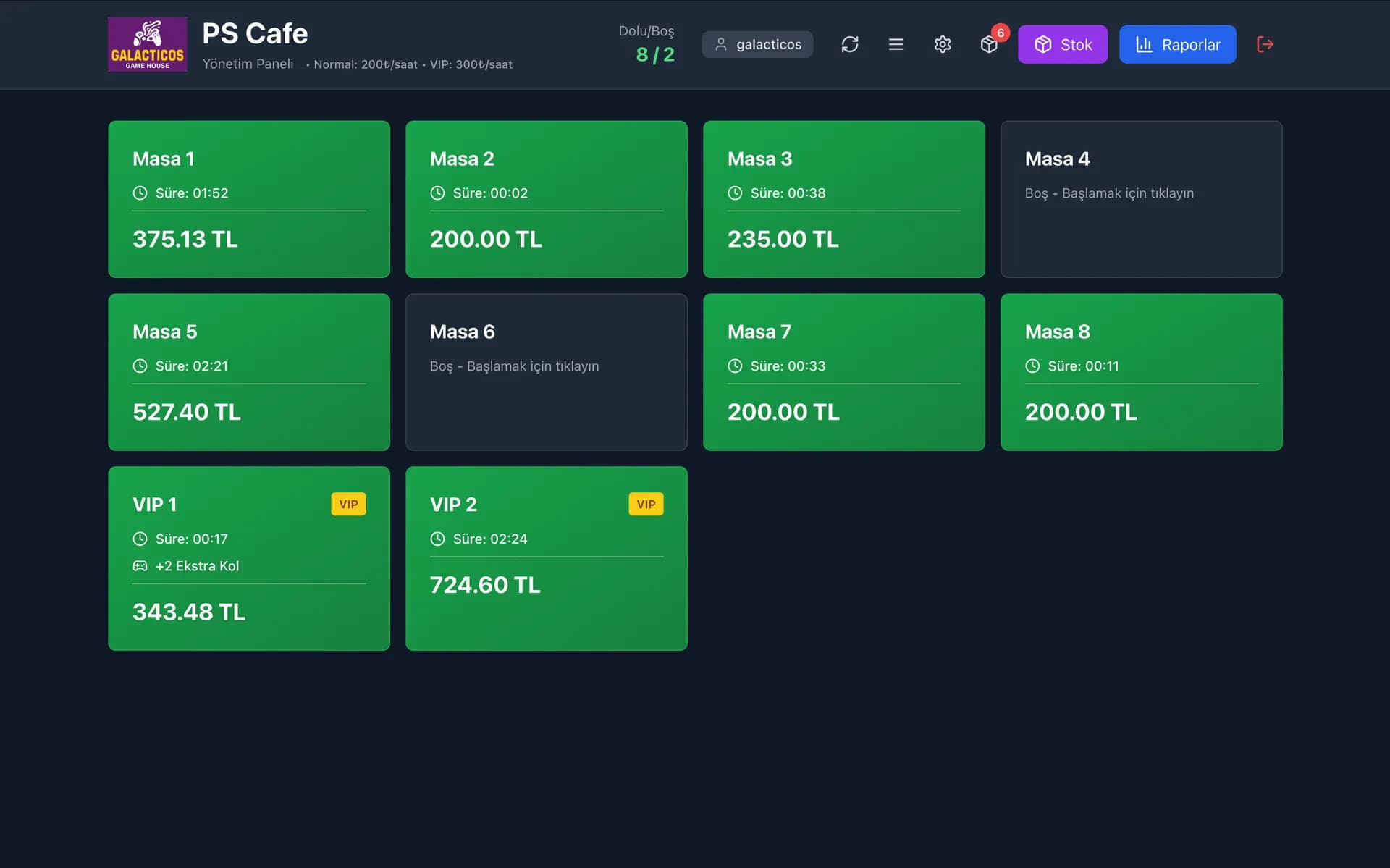
A comprehensive web-based management system built for PlayStation cafes (PS Cafes). Run your internet cafe or gaming lounge professionally with real-time table tracking, order management, stock control and detailed reporting.
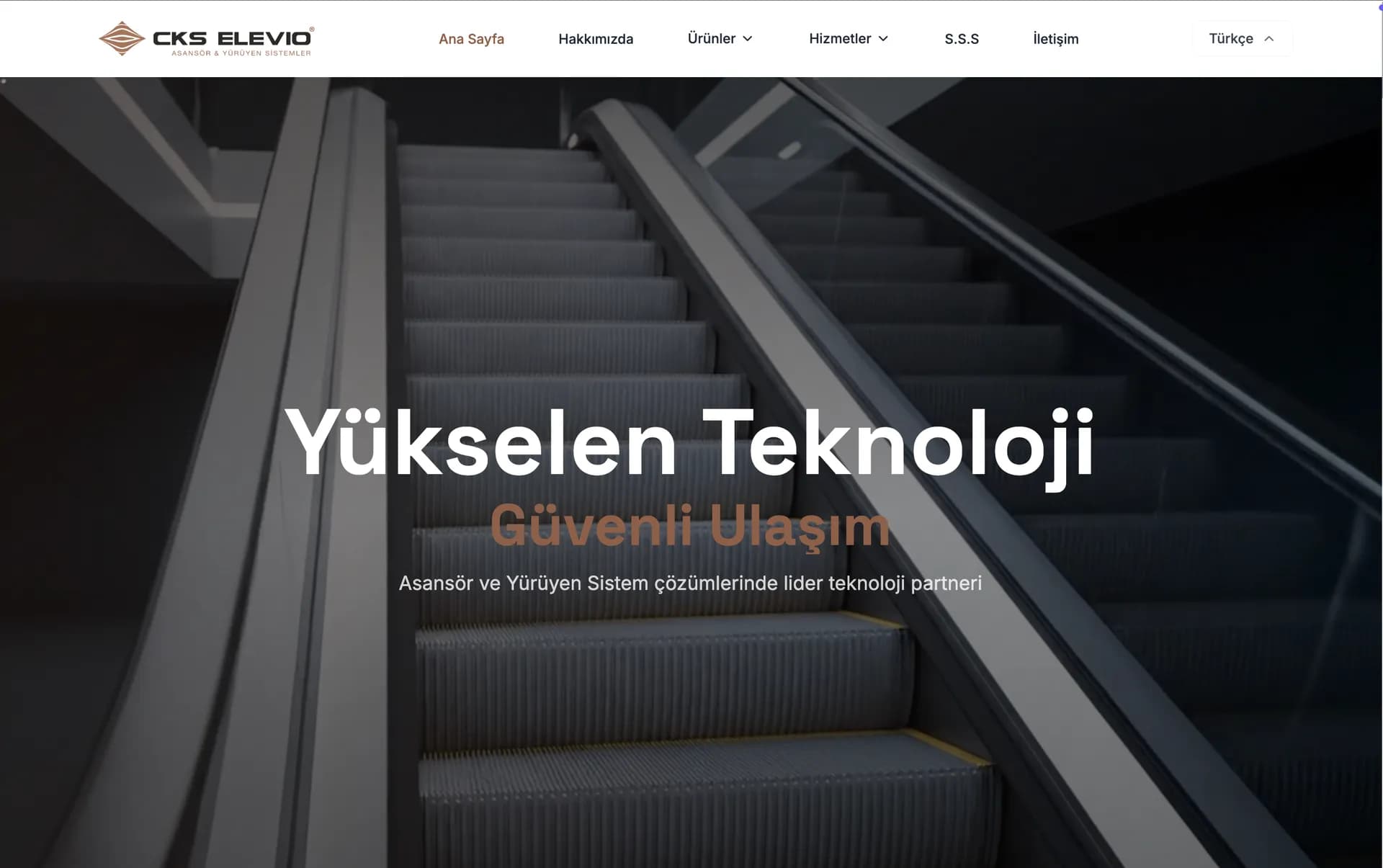
A modern web platform built for CKSelevio with Next.js and artificial intelligence. A striking digital experience defined by original AI-generated visuals and an innovative design approach.
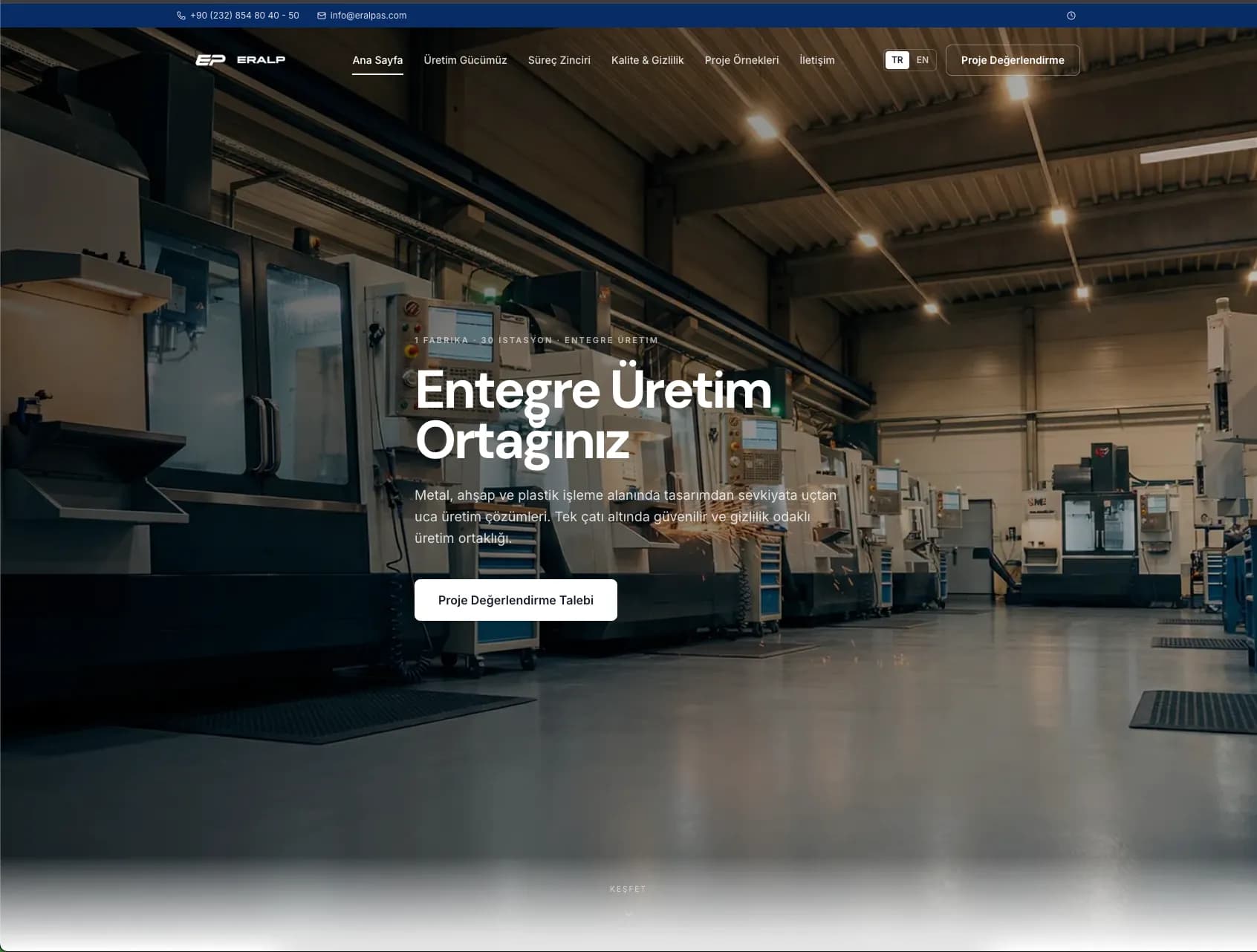
A modern corporate website developed for Eralpas that clearly communicates the company's services and corporate structure.
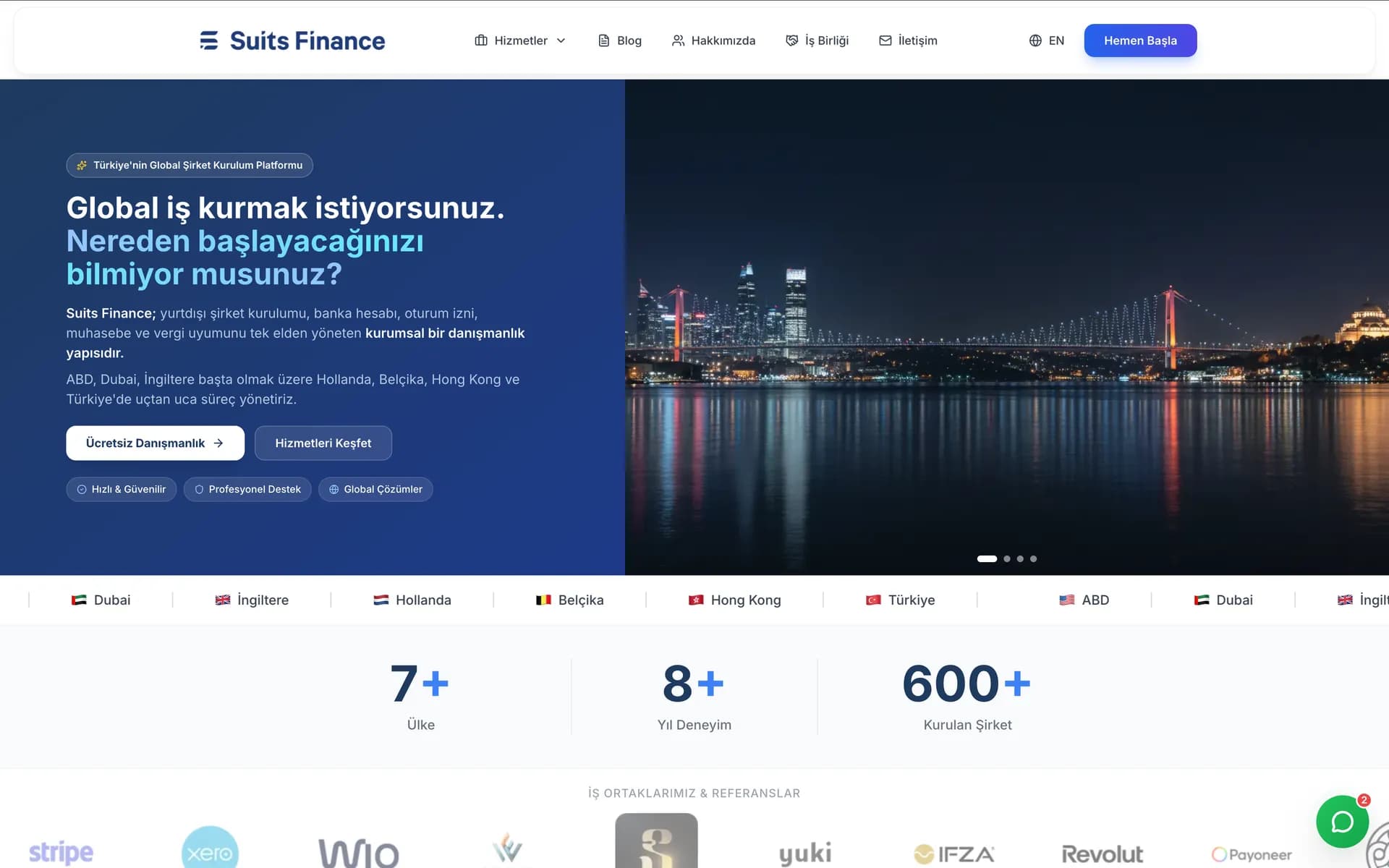
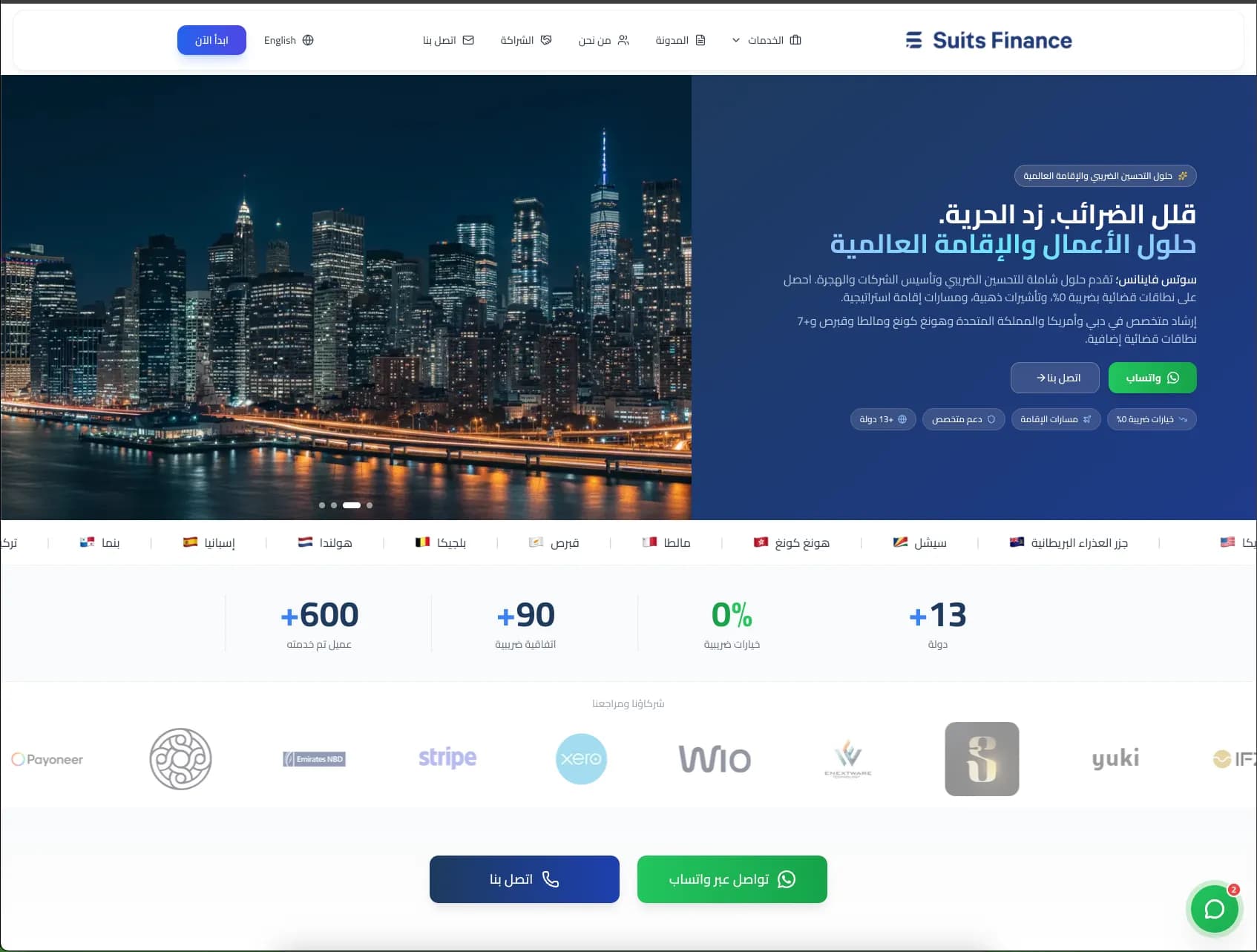
A consulting and global company formation platform developed for Suits Finance. A modern web experience strengthened by clear service presentation, country-specific focus areas and a trust-building corporate copy structure.
Articles on the questions that matter most: cost, scope, delivery time and choosing the right technology.
CRM, ERP and operations software solve different problems. See which one your business needs, when off-the-shelf is enough and when to build custom software.
What custom software development is, how it differs from off-the-shelf tools, when it pays off, what it costs in Turkey and how to start with a single module.
How do website design prices change with page count, content, custom design, admin panel, SEO and integrations? What each 2026 price band gets you in Turkey.
A guide for businesses that want a mobile app built: validating the idea, MVP scope, the admin panel, real costs and the App Store and Google Play launch.
The most common questions about packages, pricing, delivery time and technical support.
You need an ERP when several departments track the same data in separate Excel files, inventory and order errors keep growing, and production, purchasing and approvals are handled manually. For companies in manufacturing, wholesale, ecommerce, distribution, service or field operations, an ERP improves stock accuracy, makes the path from order to shipment visible and gives management current reports. The typical symptom is the same information being entered more than once.
If your processes are close to the industry standard, an off-the-shelf ERP package gets you started quickly. Custom ERP stands out when you have non-standard needs such as multi-stage production stock, recipe-based costing, dealer and consignment flows, special pricing or approval processes unique to your sector. For most companies the right answer is a hybrid: the accounting software stays, operations move to a custom ERP and the two talk through an integration. We make that decision together during analysis.
No. The healthiest approach is phasing. First we pick the module that causes the most errors or lost time: inventory, orders, production, purchasing or finance. Once the first phase is live, further modules are added based on real usage data. This keeps the project under control in terms of both budget and operations, lets the team adopt the system step by step and makes the benefit of each phase measurable before the next one starts.
Analysis and process mapping take 2-3 weeks. The first core module, for example inventory and orders, usually goes live within 6-10 weeks. Completing the full system with production, purchasing, finance and integration modules takes 4-12 months depending on company size and the number of departments. Each phase ends with data migration and team training, and the old system runs in parallel for a short time to reduce transition risk.
Yes. We can connect to Logo, Mikro, Netsis, Paraşüt, Uyumsoft and similar systems via API, XML, CSV or custom integration methods. The goal is not to replace your accounting software but to organise operational data and pass it to accounting accurately and on time. Customer accounts, invoices, stock movements and collections are mapped between the two systems, and which data flows in which direction is defined in writing during analysis.
Yes. By connecting the ERP to your ecommerce site and to marketplaces such as Trendyol and Hepsiburada via API, we manage stock and prices from a single source. When an order arrives from one channel, the stock is reserved in the ERP and reflected on the other channels, so the same item is never sold twice. Orders land in the ERP and shipping and invoicing start from there. Sync frequency and conflict rules are defined up front.
Yes. User roles, department permissions, approval levels and transaction history are core parts of any ERP project. Who created, changed, approved or cancelled which record is logged with a timestamp. Multi-step approval flows can be defined for purchases above a certain amount or for price changes. This structure is critical for security as well as for audits and operational tracking.
Cost depends on the number of modules, users and departments, the complexity of approval flows, the production and recipe structure, integrations (accounting, e-invoice, shipping, marketplaces), the size of the data migration and whether barcode or mobile use is needed. Working in phases spreads the investment over time and lets you see the return of each phase. Package comparisons are on our pricing page; for ERP projects a firm quote is prepared in writing, module by module, after the analysis.
Before go-live, product, customer and open balance data is migrated from the old systems and verified in a test environment with stock counts and control reports. Each department receives live training on its own screens, plus a recorded guide. The switchover is ideally scheduled for a low-volume period. After that, a monthly maintenance plan covers backups, security updates, bug fixes and new reports or modules.
An ERP project starts with analysing your departments, data flow, approval processes and existing accounting or production systems. We launch the most critical module first and extend the system step by step.
Leave your details and we will get back to you with a scope and quote tailored to your project.
Quote & Initial Analysis
Leave your name, phone number and industry, and we will map out the right solution based on the scope of this service.
If you prefer to talk right away:
Corporate website, UI/UX design and a fast, SEO-friendly build.
Online store with payment gateway, shipping and marketplace integrations.
iOS and Android apps, admin panel and store release.
Admin panels, backend/API and operations automation.
Leads, quotes and your sales pipeline in one panel.
Payment, shipping, accounting and third-party system connections.
Stock, price and order sync in a single panel.
Technical SEO, content and search visibility work.
Setup and optimisation of search and shopping campaigns.
Planning and managing Meta and Instagram ad campaigns.
AI-powered automation and workflow solutions.